


Princess Maxima and Prince Willem-Alexander
 Princess Maxima (L) and Prince Willem-Alexander (C) of the Netherlands arrive to Stockholm's Storkyrkan cathedral for the
 wedding of Swedish Crown Princess Victoria and Daniel Westling, in Stockholm, Sweden, 19 June 2010. The woman at right is
unidentified. The bridal couple shares the June 19 wedding date with Princess Victoria's parents, King Carl XVI Gustaf and
Queen Silvia, who married on 19 June 1976 in the same cathedral.

Tom Cruise and Jennifer Lopez

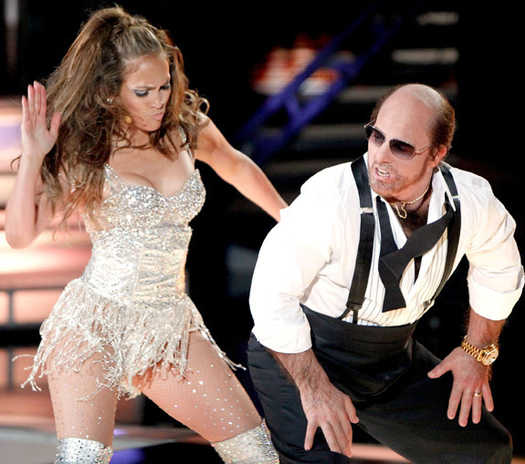
Tom Cruise and Jennifer Lopez perform at the
MTV Movie Awards on June 6, 2010 in Universal City, California
21st century flagship A380
The world’s first true double-deck jetliner, Airbus’ 21st cen tury flagship A380 .
Airbus’ 21st century flagship has made its name as the world's largest, greenest passenger aircraft, and has captured the imagination of air passengers everywhere. Lufthansa's new flagship, the A380, will bring unprecedented comfort, space and eco-efficiency to long haul routes. Be a part of the A380 delivery to one of Airbus' most long-standing customers. Enjoy the event’s video and photo highlights, the A380 retrospective video serie, the A380 art gallery and articles commemorating this milestone delivery.The big news for operators is that the A380 is earning hard dollars at the same time.
Introducing this
next-generation jetliner is saving customers millions in operating costs annually while creating thousands of extra
seats on long-haul routes. With the lowest cost per seat and the lowest emissions per passenger of any large
aircraft, the A380 provides a competitive edge.
A new role for the A380 is as a high-density airliner for certain applications, including the opening of low-cost travel to more markets. Air Austral is the first customer acquiring Airbus’ 21st century flagship in a single-class configuration – to be operated between La Reunion in the Indian Ocean and Paris, France with an 840-passenger capacity, offering the largest and most comfortable economy-class seat in this market. Airbus’ A380 is one long-term investment that everyone can get excited about. More than five million passengers have already relaxed in the comfort of its double-deck, wide-bodied cabin, which offers 50 per cent more floor space than any other high-capacity aircraft. Taking a clean-sheet design for airlines’ operational needs of tomorrow, Airbus developed the A380 as the most spacious and efficient airliner ever conceived. As of May 2010, 17 major international airports are already regular destinations for this 525-seat aircraft, which delivers an unparalleled level of comfort while retaining all the benefits of commonality with Airbus’ other fly-by-wire aircraft Families. Airbus has gone to great lengths to make long-haul flying aboard the A380 feel more natural, with broader seats, more personal storage, better head room and wider stairs. The cabin air is recycled every three minutes to keep the atmosphere fresh. Natural light is provided by 220 cabin windows. Four high-level air outlets instead of the traditional two helps passengers to feel fresher, both during and after the flight.The wide open spaces outside the A380 benefit from its design, too. By producing only about 75g of CO2 per passenger kilometre – well below current international limits – the A380 is helping the aviation industry's commitment to minimise greenhouse gas emissions. In addition, the stringent ISO 14001 corporate certification awarded to Airbus recognises the company’s use of a robust Environmental Management System to minimise the environmental impact of the
A380 throughout its life cycle.Airbus’ A380 offers a flying experience no other aircraft in the sky can match. And it’s making more than just headlin es – the A380 also has proven its revenue-generating success, and promises even greater potential with both current and future operators.The A380’s twin-aisle, twin-deck passenger cabin offers the long-distance traveller a whole new level of comfort. A cabin designed around needs of passengers today and tomorrow provides the latest comfort standards – with wider seats and aisles, plus more space regardless of class of ticket. Optional lower deck use for rest areas, business, bar or other amenities can further enhance the A380 travel experience.
 tury flagship A380 .
Airbus’ 21st century flagship has made its name as the world's largest, greenest passenger aircraft, and has captured the imagination of air passengers everywhere. Lufthansa's new flagship, the A380, will bring unprecedented comfort, space and eco-efficiency to long haul routes. Be
 a part of the A380 delivery to one of Airbus' most long-standing customers. Enjoy the event’s video and photo highlights, the A380 retrospective video serie, the A380 art gallery and articles commemorating this milestone delivery.The big news for operators is that the A380 is earning hard dollars at the same time.
Introducing this
next-generation jetliner is saving customers millions in operating costs annually while creating thousands of extra
seats on long-haul routes. With the lowest cost per seat and the lowest emissions per passenger of any large
aircraft, the A380 provides a competitive edge.
A new role for the A380 is as a high-density airliner for certain applications, including the opening of low-cost travel to more markets. Air Austral is the first customer acquiring Airbus’ 21st century flagship in a single-class configuration – to be operated between La Reunion in the Indian Ocean and Paris, France with an 840-passenger capacity, offering the largest and most comfortable economy-class seat in this market. Airbus’ A380 is one long-term investment that everyone can get excited about. More than five million passengers have already relaxed in the comfort of its double-deck, wide-bodied cabin, which offers 50 per cent more floor space than any other high-capacity aircraft. Taking a clean-sheet design for airlines’ operational needs of tomorrow, Airbus developed the A380 as the most spacious and efficient airliner ever conceived. As of May 2010, 17 major international airports are already regular destinations for this 525-seat aircraft, which delivers an unparalleled level of comfort while retaining all the benefits of commonality with Airbus’ other fly-by-wire aircraft Families. Airbus has gone to great lengths to make long-haul flying aboard the A380 feel more natural, with broader seats, more personal storage, better head room and wider stairs. The cabin air is recycled every three minutes to keep the atmosphere fresh. Natural light is provided by 220 cabin windows. Four high-level air outlets instead of the traditional two helps passengers to feel fresher, both during and after the flight.The wide open spaces outside the A380 benefit from its design, too. By producing only about 75g of CO2 per passenger kilometre – well below current international limits – the A380 is helping the aviation industry's commitment to minimise greenhouse gas emissions. In addition, the stringent ISO 14001 corporate certification awarded to Airbus recognises the company’s use of a robust Environmental Management System to minimise the environmental impact of the
A380 throughout its life cycle.Airbus’ A380 offers a flying experience no other aircraft in the sky can match. And it’s making more than just headlin
 es – the A380 also has proven its revenue-generating success, and promises even greater potential with both current and future operators.The A380’s twin-aisle, twin-deck passenger cabin offers the long-distance traveller a whole new level of comfort. A cabin designed around needs of passengers today and tomorrow provides the latest comfort standards – with wider seats and aisles, plus more space regardless of class of ticket. Optional lower deck use for rest areas, business, bar or other amenities can further enhance the A380 travel experience.
Airbus’ A380


Performance
A380-800 - Max cruising speed M 0.88. Long range cruising speed M 0.85. Range 14,800km (8,000nm). Service ceiling 43.000ft (13,100m).
A380-800F - Range 10,370km (5,600nm).
Weights
A380-800 - Operating empty 277,000kg (610,700lb), max takeoff 560,000kg (1,234,600lb).
A380-800F - Operating empty 252,000kg (555,600lb), max takeoff 590,000kg (1,300,700lb).
Dimensions
A380-800 - Wing span 79.8m (261ft 10in), length 72,75m (238ft 8in). Height 24,08 m (79ft)
Subscribe to:
Posts (Atom)